
When it comes to moving site cabins and containers, few solutions match the efficiency, flexibility, and precision of HIAB transport. Whether you’re relocating welfare units, storage containers, or modular offices, using a truck-mounted crane (HIAB) simplifies the process and reduces the need for additional lifting equipment.
However, successful HIAB transport requires more than just showing up with the right truck. It demands planning, safety awareness, and experience. In this guide, we’ll explore the best practices for moving site cabins and containers using HIAB transport, helping you ensure a smooth and safe operation from start to finish.
What is HIAB Transport?
Before diving into best practices, it’s helpful to understand what HIAB transport is.
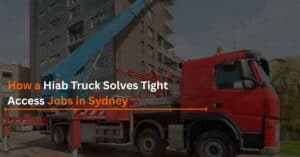
HIAB is a brand name (Hydrauliska Industri AB), but it’s often used generically to refer to lorry-mounted cranes. These versatile vehicles combine the functions of a flatbed truck and a hydraulic crane, making them ideal for lifting and transporting heavy, bulky items like site cabins, storage containers, and modular buildings.
Why Use HIAB for Moving Site Cabins & Containers?
Using HIAB transport offers several advantages:
- One Vehicle, Dual Function: Transport and lifting are handled by the same unit.
- Reduced Site Disruption: No need to hire separate cranes or forklifts.
- Flexibility: Operates efficiently in tight or complex environments.
- Cost-Effective: Reduces equipment and labour costs.
- Speed: Quick setup and turnaround times.
Best Practices for HIAB Transport of Site Cabins & Containers
1. Site Assessment and Planning
Before any move takes place, conduct a thorough site survey:
- Access Points: Are roads wide enough for HIAB access? Are there overhead obstructions like cables or tree branches?
- Ground Conditions: HIAB vehicles are heavy and require firm ground to stabilise safely.
- Space for Lifting: Is there enough clearance to extend crane arms and position the load?
Pro Tip: Include photographs and measurements when surveying the site. This helps the transport team plan for positioning, crane reach, and any risk mitigation.
2. Check Container or Cabin Specifications
Understanding the exact dimensions and weight of the container or cabin is crucial:
- Length, Width, Height
- Weight (empty vs loaded)
- Load distribution
This information helps determine:
- Which HIAB truck is suitable
- Correct crane lifting capacity
- Safe rigging points
Note: Older or modified cabins may have non-standard weights or lifting points.
3. Proper Lifting and Rigging
Incorrect lifting can cause damage to the cabin or pose serious safety risks. Always:
- Use certified lifting chains or slings
- Identify manufacturer-approved lifting points
- Use spreaders or lifting frames if necessary (to prevent distortion)
- Ensure lifting gear is rated for the load weight
Best Practice: Have a qualified lifting supervisor or Appointed Person oversee the rigging and lifting plan.
4. Balance and Stability
One of the most overlooked aspects is ensuring the load is evenly balanced during the lift:
- Position slings/chains at equal distances
- Avoid lifting with items still inside the cabin unless their weight is accounted for
- Use level indicators on the crane to monitor balance
An unbalanced lift can cause swinging, tip-over, or structural damage.
5. Securing for Transport
Once the cabin or container is loaded onto the HIAB truck, secure it properly for road transport:
- Use heavy-duty ratchet straps or chains
- Apply corner protectors to prevent strap damage to the cabin
- Ensure all doors, windows, or hatches are locked or secured
Important: Double-check tie-down points and perform a load security check before departing.
6. Consider Permits & Route Planning
Depending on the size of your cabin or container, and the route:
- You may require abnormal load permits
- Some areas may have low bridges or weight restrictions
- Urban deliveries may need council permissions or traffic management
Plan routes carefully and liaise with local authorities if necessary.
7. Weather Conditions
HIAB operations should never take place in unsafe weather:
- Avoid lifting in high winds (especially for large or tall cabins)
- Rain or mud can affect ground stability
- Frost or ice increases the risk of slipping or losing control
Pro Tip: Always monitor the weather forecast and have contingency plans for delays.
8. Operator Competence & Certification
Only trained and certified HIAB operators should be used. They must be competent in:
- Crane operation
- Risk assessment
- Emergency procedures
- Manual handling and health & safety protocols
Using an untrained operator is not only dangerous—it’s illegal and could invalidate insurance.
9. Communication is Key
On-site communication between the HIAB operator, banksman, and site manager ensures:
- Clear visibility during lifting
- Awareness of obstacles or hazards
- Smooth positioning and drop-off
Use radio communication or hand signals, and ensure everyone understands the lift plan.
10. Post-Delivery Inspection
After delivery and placement:
- Check for any damage during transport or lifting
- Ensure the cabin or container is level and stable
- Reconnect services (electric, water, sewage) if needed
- Take photographs for records or client handover
This step is often skipped but is vital for ensuring client satisfaction and project compliance.
Conclusion
Moving site cabins and containers with HIAB transport is a smart, efficient solution—but only when done properly. By following these best practices, you’ll reduce risks, save time, and deliver a professional, safe service every time.
Whether you’re a construction company, site manager, or logistics coordinator, having the right HIAB partner can make all the difference.
Need Expert HIAB Transport Services?
If you’re planning to move site cabins or containers, our experienced HIAB rental solutions are here to help. We offer:
✅ Fully insured and certified operators
✅ Modern HIAB fleet with GPS tracking
✅ Nationwide coverage and rapid response
✅ Competitive pricing with no hidden fees
📞 Contact us today to book your next move or request a free site assessment.