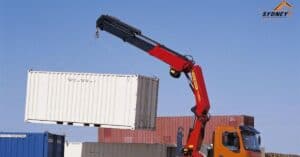

Operating a HIAB (Hydrauliska Industri AB) truck — often referred to as a lorry with a mounted crane — is no small feat. These versatile vehicles play a crucial role in logistics, construction, and transportation by enabling drivers to load and unload heavy goods without needing separate lifting equipment. However, while they offer incredible flexibility and efficiency, HIAB truck drivers also face a unique set of challenges that can make their day-to-day operations both physically and mentally demanding.
In this blog post, we’ll explore the top 5 challenges HIAB truck drivers face, backed by real-world insights from the industry. Whether you’re an experienced HIAB driver or someone considering this line of work, understanding these obstacles — and how to manage them — is essential for staying safe, efficient, and successful.
1. Complex Load Handling and Safety Risks
Challenge:
HIAB trucks are designed to lift and transport heavy or awkwardly shaped items. Operating the crane safely requires high precision, spatial awareness, and knowledge of the truck’s load limits. Mistakes can lead to dropped cargo, damaged goods, or even serious injury.
Why It’s Hard:
- Uneven terrain can make the truck unstable during lifting.
- Loads can shift if not secured properly.
- Misjudging weight distribution can damage the vehicle or cause tip-overs.
How to Overcome It:
- Always follow lifting and loading guidelines provided by the crane’s manufacturer.
- Use stabilisers correctly and assess ground conditions before operating the crane.
- Regularly inspect lifting equipment, including chains, hooks, and hydraulics.
- Attend certified HIAB training courses and refreshers to keep your knowledge sharp.
Pro Tip: Never rush the lifting process — even under pressure. Safety first, always.
2. Tight Delivery Schedules and Time Pressure
Challenge:
Like many drivers in logistics, HIAB operators often work under tight schedules. But their tasks are more complex than simply delivering a pallet — they must also load and unload cargo, sometimes in challenging or unfamiliar locations.
Why It’s Hard:
- Time spent on crane operation adds to delivery duration.
- Urban sites, especially in cities, can be congested and hard to access.
- Weather or unexpected site delays can throw off the entire day’s schedule.
How to Overcome It:
- Communicate with dispatch and site managers to clarify delivery times and access conditions.
- Factor crane operation time into your journey planning — don’t underestimate how long it takes to set up and dismantle.
- Use route planning apps that account for commercial vehicle restrictions.
Pro Tip: Build a time buffer into your schedule whenever possible. That 10–15 extra minutes could save a lot of stress later in the day.
3. Navigating Difficult or Confined Sites
Challenge:
Many HIAB deliveries are made to construction sites, residential areas, or narrow inner-city streets. Maneuvering a large truck with a mounted crane into tight spots requires significant skill and nerves of steel.
Why It’s Hard:
- Limited space makes turning and reversing difficult.
- Poorly maintained roads or soft ground can compromise crane stability.
- Overhead cables, trees, or buildings can interfere with crane operation.
How to Overcome It:
- Do a site risk assessment when possible — or ask for one from the site manager.
- Use a spotter to help guide you when maneuvering or setting up.
- Always know your vehicle’s dimensions — height, width, and turning radius.
Pro Tip: If you’re unsure about access, don’t guess. Stop, assess, and plan your move carefully. A few minutes of caution can prevent costly damage or injury.
4. Mechanical Failures and Equipment Maintenance
Challenge:
HIAB trucks involve both vehicle mechanics and hydraulic systems. Any failure — whether it’s the crane arm, hydraulics, or stabilisers — can cause major delays or safety hazards.
Why It’s Hard:
- HIAB systems have many moving parts that are subject to wear and tear.
- Drivers may feel pressured to complete a job even if something isn’t working perfectly.
- Diagnosing issues in the field can be difficult without the right tools or training.
How to Overcome It:
- Conduct thorough daily checks of both the truck and the crane system.
- Keep a checklist and don’t skip steps — even on busy days.
- Report and log any mechanical issues immediately, no matter how minor.
- Partner with reliable service providers for regular inspections and maintenance.
Pro Tip: Preventative maintenance is your best friend. A few minutes each day can prevent hours (or days) of downtime later.
5. Legal Responsibilities and Compliance
Challenge:
HIAB drivers are responsible not just for safe driving but also for the legal aspects of load safety, roadworthiness, and operating heavy lifting equipment. Ignorance of the law is no defense if something goes wrong.
Why It’s Hard:
- Laws regarding weight limits, road restrictions, and load securing vary across regions.
- You may need multiple licenses or certifications (e.g., HIAB ticket, CPC, HGV).
- Regulations frequently change, requiring drivers to stay updated.
How to Overcome It:
- Stay current on regulations relevant to your route and type of cargo.
- Keep all licenses and qualifications up to date — and carry documentation on you.
- Work with reputable companies that provide compliance support and ongoing training.
Pro Tip: Don’t rely on word of mouth for legal requirements. Check relevant authority gov sites in your region for the latest rules.
Final Thoughts: The Balance of Skill and Responsibility
HIAB truck driving is a demanding profession that requires a unique combination of technical expertise, physical coordination, regulatory knowledge, and problem-solving under pressure. The ability to lift, transport, and deliver goods safely and efficiently depends on how well you manage these challenges.
But here’s the good news: With the right mindset, training, and support, each of these obstacles becomes manageable — even routine. As the demand for flexible logistics continues to rise, skilled HIAB operators will remain essential to the industry.
Stay safe, stay sharp, and never stop learning.
Need a reliable HIAB truck in Sydney? Contact us today for professional service and fast delivery!