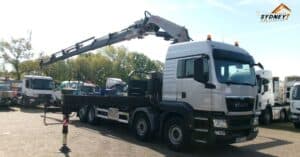
Moving heavy industrial machinery is one of the most complex tasks in logistics and construction. Whether relocating equipment within a factory or transporting it to a new site, lifting heavy machines requires careful planning, proper equipment, and skilled operators. One of the most efficient tools for this job is a Hiab truck, a truck-mounted crane designed to lift, transport, and place heavy loads safely and precisely.
This article explains the step-by-step process of industrial machine lifting hiring a Hiab truck, highlighting the importance of preparation, safety, and professional handling.
1. Initial Site Inspection and Planning
Before any lifting operation begins, a detailed site inspection is conducted. This step is critical to ensure the safety and efficiency of the lift.
The team assesses several factors, including the weight and dimensions of the machine, ground conditions, accessibility for the truck, overhead obstacles such as power lines, and the final placement area. Accurate load calculations are also performed to determine whether the Hiab crane has sufficient lifting capacity and reach.
Proper planning also involves determining the lifting points on the machine, selecting suitable lifting equipment such as slings and shackles, and creating a lift plan. This preparation helps prevent accidents and ensures the lifting process runs smoothly.
2. Selecting the Right Hiab Truck
Not all Hiab trucks are the same. Each truck-mounted crane has a specific lifting capacity, reach, and configuration.
The logistics team selects a Hiab truck that can safely handle the machine’s weight and dimensions. Factors such as boom length, lifting radius, and load stability are considered. Using the correct crane ensures the lift can be completed without overloading the equipment or compromising safety.
In many industrial lifting projects, choosing the right equipment can significantly reduce time, labour, and overall operational risk.
3. Preparing the Site for Lifting
Once the equipment arrives at the site, the area must be prepared for safe operation.
The Hiab truck is positioned on stable, level ground as close as possible to the load while maintaining a safe lifting radius. The operator then deploys the truck’s stabilizers (outriggers), which extend outward to provide additional support and balance during lifting.
The surrounding area is also secured to keep spersonnel away from the lifting zone. Clear communication between the operator and ground crew is established using hand signals or radios to ensure coordinated movement throughout the lift.
4. Securing the Machine for Lifting
After the site is prepared, the next step is attaching lifting gear to the machine.
Certified lifting slings, chains, or straps are carefully connected to designated lifting points on the equipment. These points are usually specified by the machine manufacturer to ensure balanced lifting.
The crew checks the rigging to ensure that:
- The load is evenly distributed
- Slings are not twisted or damaged
- Shackles and hooks are properly secured
- The machine is stable before lifting
Proper rigging is essential because even a slight imbalance can cause the load to swing or tilt during lifting.
5. Performing the Lift
Once the machine is securely rigged, the Hiab crane operator slowly begins the lifting process.
The crane boom extends and raises the load gradually off the ground. Lifting slowly allows the operator and ground crew to check that the machine remains stable and balanced. If any imbalance occurs, adjustments are made immediately.
During the lift, the operator carefully controls the crane’s movement to prevent sudden shifts. The load is then rotated or positioned toward the truck bed or the designated installation area.
Precision is critical at this stage, especially when lifting expensive industrial machinery that could be damaged by sudden movement or impact.
6. Transporting the Machine
If the machine needs to be transported to another location, it is carefully placed onto the truck bed.
The crew then secures the equipment using heavy-duty straps, chains, and load binders to prevent movement during transport. Proper load restraint is essential to comply with transportation safety regulations and avoid shifting during travel.
Before leaving the site, a final inspection ensures the machine is firmly secured and the truck is safe for transport.
7. Placement and Installation at Destination
When the truck arrives at the destination site, the lifting process is repeated in reverse.
The Hiab truck is positioned correctly, stabilizers are deployed, and the machine is re-rigged for lifting. The crane operator then lifts the equipment from the truck bed and carefully lowers it into its designated position.
This step often requires extremely precise placement, especially if the machine must align with existing factory layouts or mounting bases.
Once positioned, the machine is disconnected from the rigging equipment and inspected to ensure it has been placed safely and correctly.
8. Final Safety Check
After the machine is installed, a final safety inspection is carried out. The crew confirms that the equipment is stable, correctly positioned, and free from lifting damage.
All lifting gear is removed, the Hiab crane is retracted, and the work area is cleared. Proper documentation of the lift may also be recorded for safety and compliance purposes.
Conclusion
Industrial machine lifting with a Hiab truck is a highly specialised operation that combines engineering knowledge, skilled crane operation, and strict safety procedures. From the initial site inspection to the final placement of the machine, every step must be carefully planned and executed.By following a structured lifting process and using the right equipment, businesses can safely move heavy machinery while minimising downtime, risk, and operational disruption. Professional Hiab lifting services ensure that even the most complex industrial lifting tasks are completed efficiently, safely, and with precision.