
Transporting equipment—whether industrial machinery, medical devices, IT hardware, or construction tools—can be a risky operation if not handled properly. Damage during transit not only leads to costly repairs or replacements but also results in operational delays, safety hazards, and dissatisfied clients.
To protect your investment and ensure your equipment arrives in perfect condition, you need a strategic and well-executed transportation plan. This blog post explores key methods, best practices, and preventative measures to avoid equipment damage during transport.
1. Plan the Logistics Carefully
Before any equipment is moved, a comprehensive logistics plan should be in place. This includes:
- Route planning: Avoid routes with rough terrains, heavy traffic, or poor weather forecasts.
- Permits and regulations: For oversized or hazardous equipment, ensure you have the necessary transportation permits.
- Timing: Choose off-peak hours for transit to minimise risks from congestion or delays.
Thorough planning reduces last-minute surprises and allows for better risk management throughout the transportation process.
2. Select the Right Transportation Method
Different types of equipment require different modes of transport. Whether it’s road, rail, air, or sea, the method you choose should suit the equipment’s size, fragility, and value.
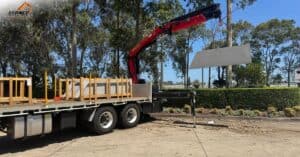
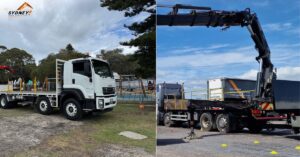
- Flatbed trucks are ideal for large construction or agricultural equipment.
- Enclosed trailers offer protection from the elements and theft for electronics or medical equipment.
- Specialty carriers may be needed for ultra-sensitive devices like MRI machines or precision instruments.
For businesses or individuals needing flexible transport options, you can rent truck models designed for your specific equipment type, making it easier to customise the move while staying within budget.
3. Use Proper Packing and Crating
Improper packing is one of the leading causes of damage during transit. Invest in high-quality packaging solutions that suit the type of equipment being transported:
- Custom crates: Built to fit the specific dimensions of the equipment.
- Shock-absorbing materials: Foam inserts, bubble wrap, or suspension systems absorb vibrations and impacts.
- Moisture protection: Use desiccants and vapor barrier bags to prevent rust and corrosion, especially for overseas shipping.
- Labeling: Fragile items must be clearly labeled, and orientation labels (“This Side Up”) should be used where applicable.
Proper packing creates the first line of defense against damage from shocks, drops, and environmental exposure.
4. Secure Equipment During Transit
Even with the best packaging, unsecured equipment can shift during transportation and become damaged. Use high-quality tie-downs and anchoring systems to keep everything in place.
- Straps, chains, and load bars should be rated for the weight of the equipment.
- Anti-slip mats and load stabilizers prevent sliding.
- Double-check tie-downs before departure and at stops during long-haul transport.
Make sure that personnel are trained in how to properly secure loads, as improper securing can be as risky as no securing at all.
5. Use Professional Moving Services
Hiring specialised transportation or logistics companies ensures that your equipment is handled by experts. These professionals:
- Know how to handle fragile, oversized, or expensive equipment.
- Use specialised tools like forklifts, cranes, and pallet jacks correctly.
- Are often insured for damage during transit.
Though it may be tempting to cut costs with in-house handling, outsourcing to professionals often results in greater long-term savings and peace of mind.
6. Monitor Environmental Conditions
Certain types of equipment—like electronics, pharmaceuticals, or laboratory instruments—are sensitive to environmental conditions such as temperature, humidity, and vibration.
- Use climate-controlled vehicles for sensitive cargo.
- Install shock and temperature indicators to monitor handling throughout the trip.
- Log data for review in case of damage claims or future analysis.
This kind of monitoring also helps build accountability across your logistics chain.
7. Ensure Proper Insurance Coverage
Even with the most rigorous precautions, accidents can still happen. Ensure your equipment is covered by the right type of insurance:
- Transit insurance: Covers goods against loss or damage during transportation.
- All-risk coverage: Offers comprehensive protection, including loading and unloading.
- Declare true value: Underreporting to save on premiums can backfire during claims.
Work with an insurance provider familiar with your industry to tailor coverage to your needs.
8. Train Your Team
Anyone involved in handling or preparing equipment for transportation should be adequately trained. This includes:
- Proper lifting and handling techniques.
- Equipment disassembly and assembly procedures.
- Hazard recognition and emergency response.
Human error is often a significant factor in transport-related damage, so a well-trained team is essential.
9. Conduct Pre- and Post-Transport Inspections
Always document the condition of your equipment before and after transportation:
- Photograph all sides and components.
- Check for loose parts, leaks, or signs of wear.
- Compare inspection reports to detect any changes or damage.
Having visual and written documentation can be critical when filing insurance claims or resolving disputes with carriers.
10. Implement a Feedback Loop for Continuous Improvement
No system is perfect. After every shipment, assess:
- What went well.
- What could have been done better.
- Any incidents, near misses, or delays.
Use this information to update SOPs (Standard Operating Procedures), improve training, and refine packaging or logistics partners.
Conclusion
Preventing equipment damage during transportation isn’t just about using bubble wrap or hiring a truck—it’s about creating a holistic strategy that includes planning, packing, securing, monitoring, and learning.
Whether you’re coordinating a cross-country move or transporting delicate equipment locally, having the right transport tools is crucial. If you’re looking for a reliable solution, you can rent truck options from our fleet—perfectly suited for heavy equipment, fragile devices, or bulk deliveries. We offer flexible rental terms, professional support, and well-maintained vehicles to meet your needs.
Protect your equipment—and your peace of mind—by choosing the right partner for transportation.