Weather plays a critical role in crane operations, affecting both safety and performance on construction sites. From strong winds and heavy rain to extreme heat and lightning, changing weather conditions can increase the risk of accidents, equipment damage, and costly project delays. That’s why regular crane inspections and weather monitoring are essential before and during every lifting operation.
Whether you’re using a mobile crane, tower crane, or crane truck, understanding how weather impacts lifting activities can help protect workers, equipment, and surrounding property. In this blog, we’ll explore the effects of different weather conditions on crane safety and why inspections are more important than ever.
Why Weather Matters in Crane Operations
Cranes are designed to lift heavy loads with precision, but weather can significantly affect their stability and lifting capacity. Poor weather conditions can make loads swing unexpectedly, reduce visibility, weaken ground conditions, and place extra stress on crane components.
Ignoring weather risks can lead to equipment failure, property damage, injuries, or even fatal accidents. This is why experienced crane operators continuously assess weather conditions and follow strict safety guidelines before beginning any lift.
High Winds
Wind is one of the biggest hazards for crane operations. Even moderate winds can cause suspended loads to sway, making them difficult to control.
Strong gusts may:
- Reduce crane stability
- Cause loads to swing dangerously
- Increase pressure on the crane boom
- Make lifting operations unpredictable
Operators should always check wind speeds before lifting and stop work if conditions exceed the manufacturer’s recommended limits. Wind monitoring devices can also help ensure safe operation throughout the day.
Heavy Rain
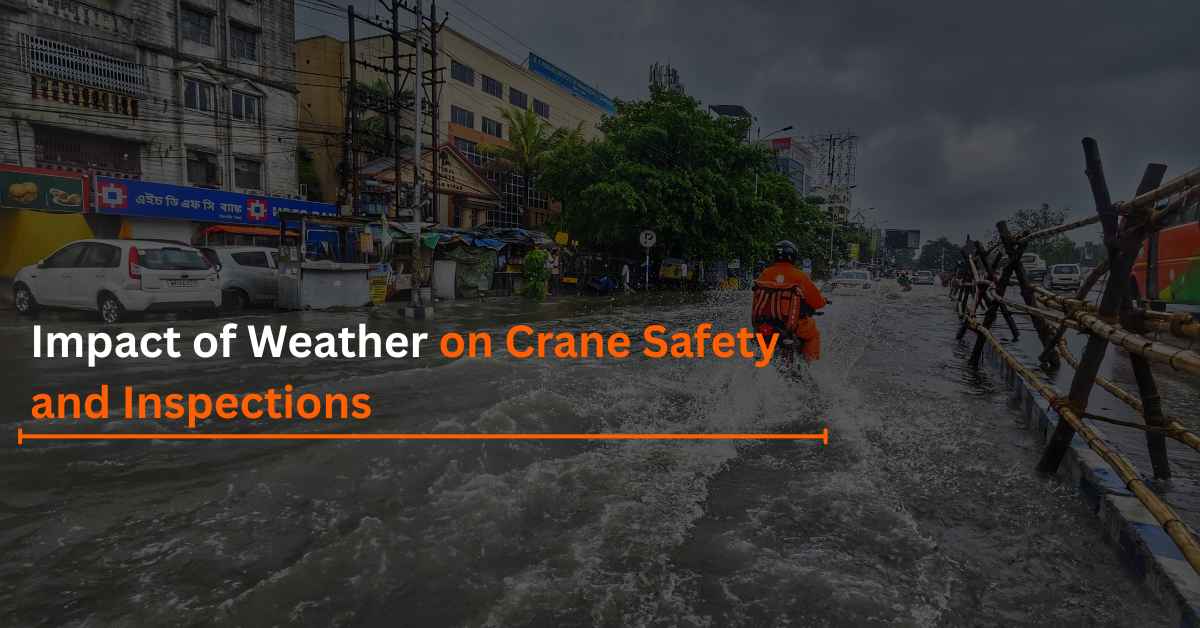
Rain creates several challenges for crane operators. Wet surfaces become slippery, increasing the risk of slips and falls for workers. Rain can also reduce visibility, making it harder to communicate and safely position loads.
In addition, prolonged rainfall softens the ground, which may affect crane stability. Outriggers placed on unstable or waterlogged ground can sink, increasing the risk of tipping.
Before operating in wet conditions, operators should inspect the worksite and ensure the crane has a stable foundation.
Lightning and Storms
Lightning presents a serious safety hazard during crane operations because cranes are tall, metal structures that can attract electrical strikes.
If thunderstorms are approaching, lifting operations should stop immediately. Workers should move to a safe location until the storm has completely passed.
Attempting to continue lifting during electrical storms puts both operators and nearby workers at unnecessary risk.
Extreme Heat
Hot weather may not seem as dangerous as storms, but prolonged exposure to high temperatures can affect both equipment and operators.
Extreme heat can:
- Reduce hydraulic efficiency
- Increase engine temperatures
- Accelerate wear on components
- Cause operator fatigue and dehydration
Regular equipment checks and adequate breaks for workers help minimise the risks associated with hot weather.
Fog and Poor Visibility
Good visibility is essential for safe crane operation. Fog, heavy dust, or smoke can make it difficult for operators to see loads, obstacles, or workers on the ground.
Poor visibility increases the chance of communication errors and lifting mistakes. If operators cannot clearly see the load or work area, lifting operations should be delayed until conditions improve.
The Importance of Crane Inspections
Weather doesn’t just affect daily operations, it also impacts the condition of crane equipment over time.
Regular inspections help identify damage caused by environmental exposure before it becomes a safety issue.
Key inspection areas include:
- Wire ropes and lifting chains
- Hydraulic systems
- Hooks and lifting attachments
- Braking systems
- Tyres and outriggers
- Structural components
- Electrical systems
Inspecting cranes before and after severe weather helps ensure they remain safe and compliant with Australian safety standards.
Preventative Maintenance
Routine maintenance reduces the risk of weather-related equipment failure. Lubricating moving parts, replacing worn components, and checking hydraulic systems can improve crane reliability in changing weather conditions.
Operators should also keep maintenance records to track inspections and repairs.
Best Practices for Safe Crane Operations
To minimise weather-related risks, follow these safety practices:
- Monitor weather forecasts before lifting.
- Stop work during high winds or thunderstorms.
- Inspect the crane before every job.
- Ensure stable ground conditions.
- Use qualified and licensed crane operators.
- Follow manufacturer operating limits.
- Communicate clearly with all site personnel.
Planning ahead helps prevent accidents and keeps projects running smoothly.
Final Thoughts
Weather has a significant impact on crane safety, making careful planning and regular inspections essential for every lifting operation. High winds, heavy rain, lightning, extreme heat, and poor visibility all present unique challenges that can affect crane performance and operator safety.
By monitoring weather conditions, conducting routine inspections, and following established safety procedures, businesses can reduce risks, protect valuable equipment, and ensure safe lifting operations. Investing in experienced crane operators and maintaining equipment properly not only improves workplace safety but also helps avoid costly delays and unexpected downtime.
No matter the size of the project, weather should never be overlooked. Prioritising safety and regular crane inspections is the key to successful and efficient lifting operations throughout the year.