
Moving heavy machinery is never a simple task. Whether you’re relocating construction equipment, industrial machines, agricultural tools, or large mechanical units, the process requires careful planning, the right equipment, and experienced handling. One mistake can lead to costly damage, safety risks, or major project delays. So how would you move heavy machinery efficiently, safely, and cost-effectively?
One of the most practical and reliable solutions is using a HIAB truck. Designed to lift, transport, and position heavy loads with precision, HIAB trucks have become the preferred choice across many industries. In this article, we’ll explore the challenges of moving heavy machinery and explain why a HIAB truck is often the smartest option.
The Challenges of Moving Heavy Machinery
Heavy machinery is, by nature, difficult to transport. These machines are often:
- Extremely heavy and oversized
- Irregularly shaped or unbalanced
- High in value and sensitive to damage
- Located in tight or hard-to-access areas
Traditional transport methods often require multiple vehicles, cranes, forklifts, and large crews. Coordinating all these elements can be time-consuming and expensive. Additionally, every extra step increases the risk of accidents or damage.
This is where choosing the right machinery transport method becomes crucial.
What Is a HIAB Truck?
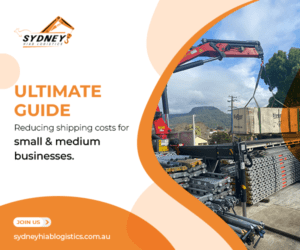
A HIAB truck is a flatbed truck fitted with a hydraulic loader crane. The crane is mounted directly onto the truck, allowing it to lift heavy machinery onto the vehicle, transport it, and unload it at the destination, all with one piece of equipment.
HIAB trucks are designed for strength, stability, and precision. The hydraulic crane can lift loads ranging from a few tonnes to very heavy industrial machinery, depending on the model. This versatility makes them ideal for projects that require both lifting and transportation.
Why Use a HIAB Truck to Move Heavy Machinery?
1. All-in-One Lifting and Transport
One of the biggest advantages of a HIAB truck is that it combines lifting and transport into a single operation. Instead of hiring a crane separately and coordinating it with a transport vehicle, the HIAB truck does both jobs.
This streamlined approach saves time, reduces logistical complexity, and lowers overall costs.
2. Improved Safety
Safety is a major concern when moving heavy machinery. HIAB trucks are specifically designed to handle heavy loads in a controlled and stable manner. The hydraulic crane allows for precise lifting, reducing the risk of sudden movements or dropped loads.
Experienced HIAB operators are trained to assess weight distribution, ground conditions, and lifting angles, ensuring that machinery is moved safely from start to finish.
3. Access to Tight or Restricted Areas
Many job sites don’t have the space needed for large cranes or multiple vehicles. HIAB trucks are highly maneuverable and can operate in confined spaces such as urban construction sites, factory yards, farms, and warehouses.
The crane’s reach allows machinery to be lifted over fences, walls, or obstacles and placed exactly where it’s needed, something traditional transport methods often struggle with.
4. Cost-Effective Solution
Because a HIAB truck performs multiple functions, it often works out to be more cost-effective than hiring separate lifting and transport services. Fewer vehicles, less labor, and shorter job times all contribute to lower overall costs.
For businesses working to tight budgets or schedules, this efficiency can make a significant difference.
5. Versatility Across Industries
HIAB trucks are used across a wide range of industries, including:
- Construction and civil engineering
- Manufacturing and industrial operations
- Agriculture and farming
- Utilities and infrastructure
- Mining and heavy engineering
From moving generators and compressors to relocating production machinery or large tools, HIAB trucks can handle a wide variety of loads with ease.
The Process of Moving Machinery with a HIAB Truck
Using a HIAB truck typically follows a straightforward process:
- Assessment – The load’s weight, size, and location are evaluated.
- Planning – The lift is planned, considering access, ground conditions, and safety requirements.
- Loading – The HIAB crane lifts the machinery and secures it onto the flatbed.
- Transport – The machinery is safely transported to its destination.
- Unloading and Placement – The crane carefully positions the machinery exactly where it’s needed.
This efficient workflow minimizes downtime and disruption to operations.
When Should You Choose a HIAB Truck?
A HIAB truck is ideal when:
- Machinery needs both lifting and transport
- Access is limited or space is restricted
- Precision placement is required
- Safety and efficiency are top priorities
If your project involves heavy machinery and you want a reliable, professional solution, a HIAB truck is often the best choice.
Final Thoughts
So, how would you move heavy machinery? While there are many options available, few offer the same level of efficiency, safety, and versatility as a HIAB truck. By combining lifting and transport into one seamless operation, HIAB trucks simplify complex jobs and help projects stay on schedule and within budget.
Whether you’re relocating a single machine or managing a large-scale operation, hiring a HIAB truck can make the difference between a stressful move and a smooth, successful one.