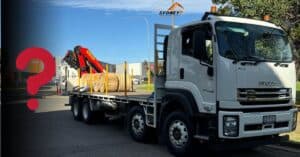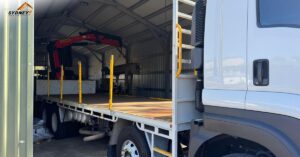

Hiring a crane is a critical part of many construction, industrial, and infrastructure projects. While cranes make it possible to lift and move heavy loads efficiently, they also introduce significant safety risks if not managed correctly. Accidents involving cranes can result in serious injuries, fatalities, costly delays, and legal consequences. That’s why understanding crane hire safety requirements isn’t optional, it’s essential.
Whether you’re a project manager, site supervisor, or contractor, knowing what safety standards apply before, during, and after crane operations will help keep your site compliant and your workers protected.
1. Choosing a Certified and Reputable Crane Hire Company
Safety starts before the crane even arrives on site. A reputable crane hire company should meet all regulatory requirements and provide well-maintained equipment operated by qualified personnel.
When hiring a crane, ensure the provider:
- Holds valid licenses and certifications
- Complies with local workplace health and safety regulations
- Maintains cranes according to manufacturer and legal standards
- Provides documentation such as inspection records and maintenance logs
A reliable crane hire company will also assist with lift planning and risk assessments rather than leaving these responsibilities entirely to the client.
2. Operator Licensing and Competency
One of the most important crane safety requirements is having a properly trained and licensed operator. Crane operators must be certified for the specific type and capacity of crane they are operating. Experience alone is not enough, formal training and ongoing competency assessments are required.
In addition to the operator, other personnel such as dogmen, riggers, and signalers must also be trained and competent. Clear communication between these roles is vital to prevent miscommunication during lifting operations.
3. Site Assessment and Lift Planning
Before any crane is set up, a detailed site assessment must be conducted. This assessment identifies hazards such as:
- Uneven or unstable ground
- Overhead power lines
- Underground services
- Nearby structures or traffic
- Weather exposure
A lift plan should then be developed based on this assessment. The lift plan outlines:
- Load weight and dimensions
- Crane configuration and capacity
- Lifting method and sequence
- Exclusion zones
- Emergency procedures
For complex or high-risk lifts, a detailed engineered lift plan may be required by law.
4. Ground Conditions and Crane Setup
Cranes exert enormous pressure on the ground, especially during lifting operations. One of the most overlooked safety requirements is ensuring the ground can safely support the crane’s weight and load.
Key considerations include:
- Soil type and compaction
- Use of crane mats or outriggers
- Proper leveling of the crane
- Drainage and weather effects on ground stability
Failure to properly prepare the ground can lead to crane tipping, which is one of the most serious crane-related accidents.
5. Load Limits and Rigging Safety
Every crane has a maximum rated capacity that must never be exceeded. Loads must be accurately calculated, taking into account not just the weight of the load itself, but also rigging equipment such as slings, hooks, and spreader bars.
Rigging safety requirements include:
- Using certified lifting gear
- Inspecting rigging before each lift
- Selecting the correct rigging method for the load
- Ensuring loads are balanced and secured
Improper rigging is a leading cause of dropped loads and serious injuries on worksites.
6. Exclusion Zones and Site Control
Establishing exclusion zones is a critical safety requirement during crane operations. These zones prevent unauthorised personnel from entering areas where loads are being lifted or where crane components could fall.
Effective site control measures include:
- Clearly marked exclusion zones
- Physical barriers where possible
- Spotters or safety personnel
- Clear signage and communication
No worker should ever stand under a suspended load, regardless of how routine the lift may seem.
7. Weather Monitoring and Environmental Conditions
Weather has a major impact on crane safety. High winds, heavy rain, lightning, and poor visibility can all increase the risk of accidents.
Crane hire safety requirements typically specify:
- Maximum allowable wind speeds
- Procedures for ceasing operations during severe weather
- Regular monitoring of weather conditions
Operators must have the authority to stop work if conditions become unsafe, even if it affects project timelines.
8. Regular Inspections and Maintenance
Cranes must undergo regular inspections to ensure they are safe to operate. These include:
- Pre-operational daily checks
- Scheduled inspections by qualified technicians
- Immediate reporting and repair of defects
Any crane found to be unsafe must be removed from service until issues are resolved. Skipping inspections to save time can lead to catastrophic failures.
9. Emergency Preparedness and Incident Reporting
Despite best efforts, emergencies can still occur. Crane hire safety requirements include having clear emergency procedures in place. All workers should know what to do in case of:
- Mechanical failure
- Load instability
- Contact with power lines
- Injury or near-miss incidents
Incidents and near-misses must be reported and investigated to prevent future occurrences.
Conclusion
Crane hire safety requirements exist to protect lives, equipment, and projects. From choosing a reputable crane hire company to ensuring proper training, planning, and site control, every step plays a role in reducing risk. Cutting corners with crane safety is never worth the consequences.
By understanding and enforcing these safety requirements, you not only stay compliant with regulations but also create a safer, more efficient work environment for everyone involved.