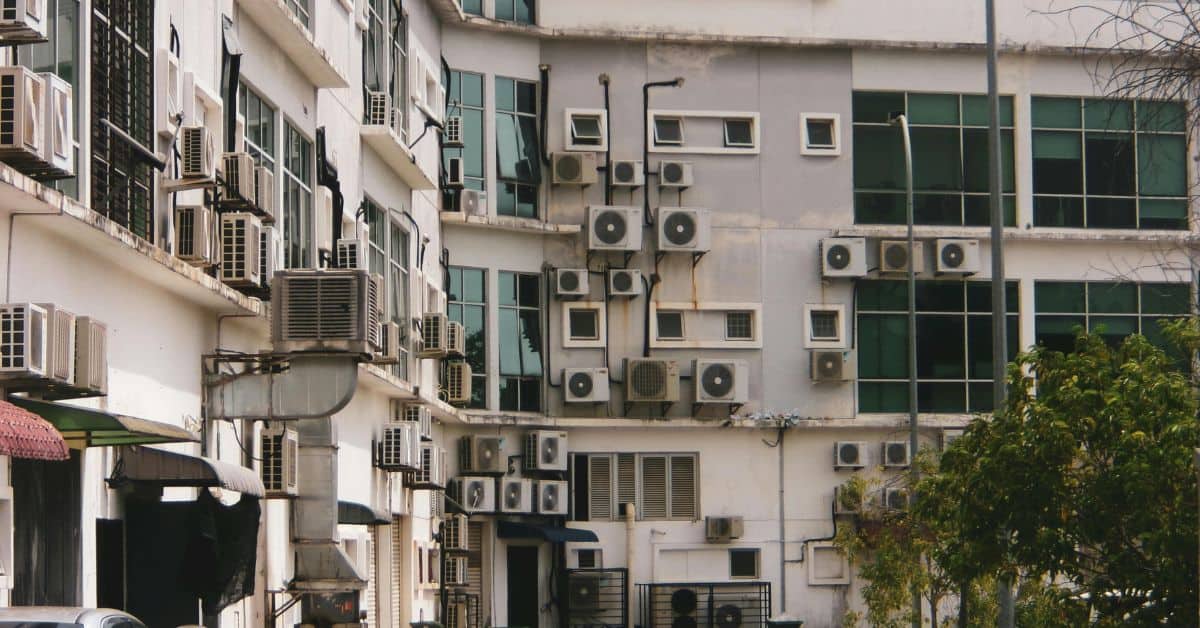
Air conditioning systems are essential for homes, offices, and commercial buildings, especially in warm climates. However, installing large outdoor air conditioning units can be challenging, particularly when they need to be placed on rooftops, balconies, or tight elevated spaces. This is where air conditioner lifts using a Hiab truck become the safest and most efficient solution.
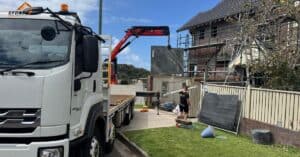
A Hiab truck, equipped with a hydraulic crane, allows technicians to lift and position heavy air conditioning units quickly and accurately. Whether it is a residential split system condenser or a large commercial HVAC unit, using a crane truck significantly simplifies the installation process.
What Is a Hiab Truck?
A Hiab truck is a type of truck-mounted crane designed to lift and transport heavy equipment. The crane arm is hydraulically operated, allowing it to extend, rotate, and carefully place loads in difficult-to-reach areas.
In the air conditioning industry, Hiab trucks are commonly used to lift:
- Outdoor AC condenser units
- Commercial HVAC systems
- Heat pump units
- Rooftop packaged units
- Ventilation equipment
Instead of manually carrying heavy equipment up stairs or using risky pulley systems, the crane safely lifts the unit from the ground directly to its installation point.
Why Air Conditioner Lifts Are Necessary
Modern air conditioning units can be extremely heavy. Even residential systems can weigh between 40 kg and 120 kg, while commercial HVAC systems may exceed 500 kg. Installing these units in elevated locations can be dangerous without proper lifting equipment.
Here are several reasons why Hiab truck lifts are essential:
1. Safety
Safety is the most important reason for using a crane truck. Lifting heavy AC units manually can cause injuries, equipment damage, or accidents. Hiab trucks reduce manual handling and ensure the equipment is lifted securely.
Professional operators use certified lifting gear, slings, and stabilisers to maintain balance and control during the lift.
2. Access to Hard-to-Reach Locations
Many air conditioning units are installed in places that are difficult to access, such as:
- Rooftops
- Apartment balconies
- High commercial buildings
- Narrow backyards
- Tight construction sites
A Hiab crane can extend over buildings or fences, allowing technicians to place units exactly where they are needed.
3. Faster Installation
Using a crane truck dramatically speeds up the installation process. What might take hours of manual labour can often be completed in minutes with a Hiab lift.
This efficiency reduces labour costs and minimises disruption to homeowners or businesses.
4. Protects the Equipment
Air conditioning systems are expensive investments. Carrying units through hallways, staircases, or ladders increases the risk of dropping or damaging them.
A crane lift ensures the unit is moved carefully and placed precisely, protecting the equipment from dents, impacts, or internal damage.
Common Situations That Require Hiab AC Lifts
Hiab trucks are commonly used in the following situations:
- Rooftop Installations: Many commercial buildings install HVAC systems on rooftops to save space and improve airflow.
- Apartment Installations: Outdoor condensers in apartments are often located on balconies or high exterior walls.
- Retrofit Projects: Replacing an old system with a new one may require removing and lifting large equipment.
- Construction Sites: New buildings frequently require cranes to place HVAC units during construction.
In each of these cases, a Hiab truck provides the safest and most efficient lifting method.
How the Lifting Process Works
The process of lifting an air conditioning unit with a Hiab truck usually follows several steps:
- Site Inspection – The team evaluates the location, access points, and lifting distance.
- Positioning the Truck – The Hiab truck is parked in a stable location close to the building.
- Stabilizing the Crane – Hydraulic outriggers are extended to stabilise the vehicle.
- Rigging the Load – The AC unit is secured using lifting straps or chains.
- Lifting and Placement – The crane operator carefully lifts and positions the unit at the installation point.
- Final Installation – Technicians secure and connect the unit.
The entire process is controlled with precision to ensure safety and accuracy.
Choosing a Professional Hiab Service
When arranging an air conditioner lift, it is important to hire a professional crane service with experience in HVAC equipment handling. A reliable company will provide:
- Licensed crane operators
- Proper lifting equipment
- Safety compliance and insurance
- Site risk assessments
- Efficient coordination with installers
Professional services ensure the lift is completed smoothly and without delays.
Conclusion
Air conditioner lifts using a Hiab truck offer a practical and safe solution for installing heavy HVAC equipment in elevated or difficult locations. By eliminating manual handling risks, improving installation speed, and protecting valuable equipment, crane-assisted lifts have become an essential part of modern air conditioning projects.Whether it is a residential system or a large commercial unit, hiring a Hiab truck ensures the job is done safely, efficiently, and professionally. If you are planning an AC installation that involves heights or heavy units, a Hiab lift service is the smartest way to get the job done right.