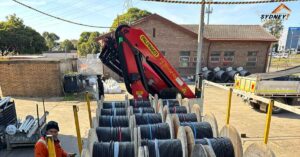
When transporting and lifting heavy materials, safety should always be the top priority. Whether you’re moving steel beams, construction materials, machinery, shipping containers, or landscaping supplies, using a HIAB truck operated by trained professionals helps minimise risks and ensures your project runs smoothly.
HIAB trucks combine transport and crane lifting into one efficient solution, but they must be operated according to strict safety standards. Understanding these standards can help customers choose the right transport provider and ensure every lift is completed safely.
HIAB trucks are commonly used for transporting:
- Steel beams
- Building materials
- Machinery
- Concrete products
- Shipping containers
- Timber
- Landscaping supplies
- Palletised goods
Because they perform both transport and lifting, safety procedures are essential throughout every stage of the job.
Why Safety Standards Matter
Lifting heavy loads always carries potential risks if not managed correctly.
Following proper safety procedures helps:
- Protect workers
- Prevent property damage
- Reduce equipment failures
- Minimise project delays
- Ensure legal compliance
Professional HIAB operators follow established safety guidelines before, during, and after every lift.
Qualified and Experienced Operators
One of the most important safety requirements is having a trained and experienced operator.
Professional operators understand:
- Safe crane operation
- Load calculations
- Weight distribution
- Lift planning
- Emergency procedures
- Site hazard identification
Their knowledge helps prevent accidents and ensures each lift is completed safely.
Regular Equipment Inspections
HIAB trucks require ongoing maintenance to remain safe and reliable.
Professional transport companies regularly inspect:
- Hydraulic systems
- Crane components
- Stabiliser legs
- Lifting chains
- Hooks
- Safety controls
- Tyres and brakes
Routine servicing helps identify issues before they become safety risks.
Load Capacity Compliance
Every HIAB crane has a maximum lifting capacity.
Professional operators carefully assess:
- Load weight
- Crane reach
- Lift angle
- Ground conditions
- Vehicle stability
Attempting to lift beyond the crane’s rated capacity can be extremely dangerous. Reputable companies never exceed manufacturer limits.
Site Risk Assessments
Before unloading begins, operators typically conduct a site assessment.
They check for:
- Soft or uneven ground
- Overhead power lines
- Underground services
- Restricted access
- Nearby buildings
- Traffic hazards
- Pedestrian safety
Identifying hazards in advance helps prevent accidents during lifting operations.
Safe Load Securing
Transport safety begins before the truck leaves the depot.
Loads must be properly secured using appropriate equipment such as:
- Chains
- Ratchet straps
- Load binders
- Edge protectors
- Timber supports
Correct load restraint prevents movement during transport and reduces the risk of accidents on the road.
Stabiliser Setup
HIAB trucks use hydraulic stabiliser legs during lifting operations.
These stabilisers:
- Improve vehicle balance
- Prevent tipping
- Increase lifting stability
- Provide a secure operating platform
Operators ensure stabilisers are fully deployed before lifting begins.
Clear Communication
Safe lifting requires effective communication between everyone on site.
Professional operators work closely with:
- Site supervisors
- Builders
- Spotters
- Delivery personnel
Clear instructions reduce confusion and improve overall safety.
Weather Considerations
Weather conditions can significantly affect crane operations.
Strong winds, heavy rain, or poor visibility may require lifting work to be delayed until conditions improve.
Experienced operators continuously monitor weather conditions to maintain safe working practices.
Personal Protective Equipment (PPE)
Everyone working near lifting operations should wear appropriate safety equipment, including:
- Safety helmets
- High-visibility clothing
- Steel-capped boots
- Gloves
- Eye protection where required
PPE provides an additional layer of protection for workers on site.
Choosing a Safe HIAB Truck Provider
When hiring a HIAB truck, look for a company that offers:
- Experienced operators
- Well-maintained equipment
- Fully insured services
- Strong safety record
- Reliable scheduling
- Compliance with Australian safety regulations
Choosing a reputable provider helps ensure your materials are transported and lifted safely.
Final Thoughts
HIAB trucks provide an efficient solution for transporting and lifting heavy materials, but safety should always come first. Qualified operators, regular equipment maintenance, proper load securing, site inspections, and strict compliance with safety standards all contribute to successful lifting operations.
By choosing a professional HIAB truck hire company, customers can have confidence that their project will be completed safely, efficiently, and with minimal disruption.