
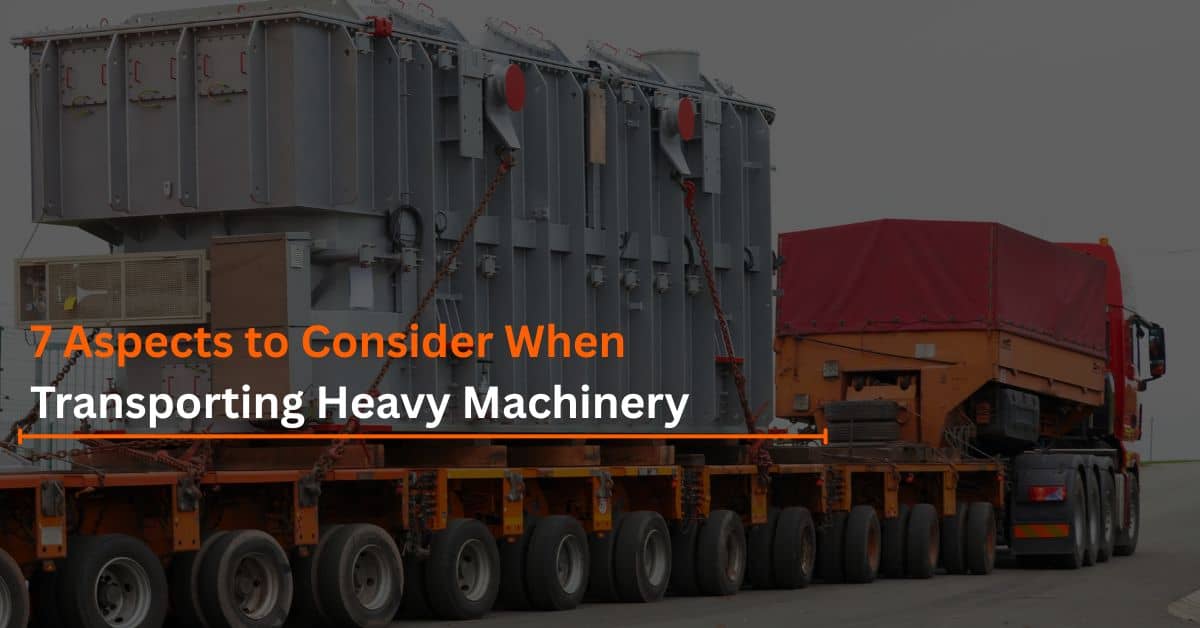
Transporting heavy machinery is a complex process that requires detailed planning, specialised equipment, and strict safety measures. Whether moving construction equipment, agricultural machinery, or industrial assets, every step must be carefully managed to prevent delays, damage, and costly accidents. Businesses involved in machinery relocation need to understand the key factors that influence a successful transport operation.
Here are seven important aspects to consider when transporting heavy machinery.
1. Proper Planning and Assessment
The first step in transporting heavy machinery is conducting a comprehensive assessment of the equipment and transportation route. This includes measuring the machinery’s dimensions, weight, and load distribution to determine the appropriate transport method.
Route planning is equally important. Factors such as road restrictions, bridge capacities, sharp turns, overhead clearances, and traffic conditions should all be evaluated beforehand. A detailed transport plan helps minimise unexpected issues and ensures the move proceeds efficiently.
2. Choosing the Right Transport Equipment
Different types of machinery require different transportation solutions. Selecting the correct trailer and hauling equipment is essential for maintaining safety and preventing damage during transit.
For example, oversized or unusually heavy machinery may require lowboy trailers, flatbeds, or multi-axle transport systems. The transport equipment should be capable of supporting the machinery’s weight while keeping it stable throughout the journey.
Working with experienced transport professionals ensures the right equipment is selected for the specific load requirements.
3. Compliance with Regulations and Permits
Heavy machinery transport often involves oversized or overweight loads, which are subject to local and national transport regulations. Businesses must secure the necessary permits before beginning transportation.
Permit requirements may vary depending on the machinery dimensions, route, and destination. In some cases, escort vehicles or restricted travel times may also be mandatory. Failing to comply with regulations can result in fines, delays, and legal complications.
Staying updated on transportation laws and permit requirements is essential for smooth operations.
4. Safety Precautions and Risk Management
Safety should always be the highest priority when transporting heavy machinery. Improper handling can lead to equipment damage, accidents, or injuries.
Before transport begins, all machinery components should be secured properly to prevent shifting during transit. Loose attachments, moving parts, and hydraulic systems should be inspected and stabilised.
Transport teams should also conduct risk assessments to identify potential hazards along the route and implement preventive measures. Proper communication between drivers, operators, and site personnel further enhances safety during loading and unloading operations.
5. Loading and Unloading Procedures
Loading and unloading heavy machinery require precision and expertise. Using incorrect techniques can damage both the machinery and the transport vehicle.
Specialised loading ramps, cranes, or forklifts may be necessary depending on the machinery size and weight. Operators should ensure the machinery is balanced correctly on the trailer and secured using heavy-duty chains, straps, and tie-downs.
Additionally, unloading locations should be prepared in advance to provide stable ground conditions and adequate maneuvering space.
6. Insurance and Liability Coverage
Transporting valuable machinery involves financial risks, making insurance coverage a critical consideration. Even with careful planning, unexpected incidents such as accidents, weather damage, or equipment malfunctions can occur.
Businesses should verify that adequate cargo insurance and liability coverage are in place before transportation begins. Reviewing policy details helps ensure that both the machinery and transport providers are protected against potential losses.
Clear contractual agreements between all parties also help define responsibilities and minimise disputes.
7. Weather and Environmental Conditions
Weather conditions can significantly impact heavy machinery transportation. Rain, strong winds, snow, or extreme heat may create hazardous driving conditions and increase transportation risks.
Monitoring weather forecasts before and during transit allows transport teams to make informed decisions regarding scheduling and route adjustments. In some cases, delaying transport may be necessary to ensure safety.
Environmental considerations are also important, especially when transporting machinery through sensitive areas or challenging terrains. Proper planning helps reduce environmental impact while maintaining operational efficiency.
Final Thoughts
Transporting heavy machinery requires much more than simply moving equipment from one location to another. Proper planning, regulatory compliance, safety measures, and experienced handling all play a critical role in ensuring a successful operation.
By carefully considering these seven aspects, businesses can reduce risks, avoid costly delays, and protect valuable equipment throughout the transportation process. Partnering with skilled heavy haulage professionals further improves efficiency and provides peace of mind during every stage of the move.