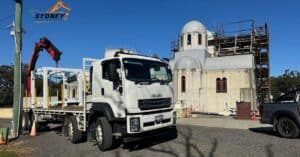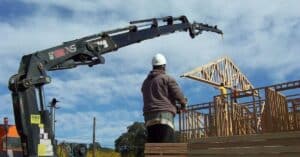
When it comes to heavy lifting and transporting materials efficiently, Hiab trucks play a vital role across industries such as construction, logistics, mining, and infrastructure development. Businesses rely on these versatile vehicles to move heavy loads safely while reducing the need for separate cranes and transport equipment. One of the most common questions people ask is: How much can a Hiab truck lift?
The answer depends on several important factors, including the truck size, crane capacity, boom length, and load position. In this blog, we’ll break down how Hiab lifting capacities work, what affects their performance, and how to choose the right truck for your project.
Understanding Hiab Truck Lifting Capacity
The lifting capacity of a Hiab truck refers to the maximum weight the crane can safely lift under specific conditions. Capacities can range from small 1-ton lifts to extremely heavy loads exceeding 100 tons with specialised equipment.
Generally, Hiab trucks fall into these categories:
Small Hiab Trucks
- Lifting capacity: 1 to 5 tons
- Ideal for residential or light commercial work
- Suitable for lifting pallets, small machinery, or construction supplies
Medium Hiab Trucks
- Lifting capacity: 5 to 20 tons
- Commonly used in construction and industrial projects
- Can handle steel beams, generators, and medium-sized containers
Large Hiab Trucks
- Lifting capacity: 20 to 80+ tons
- Used for heavy industrial lifting and infrastructure projects
- Suitable for large machinery, concrete panels, and oversized equipment
Some specialised heavy-duty cranes can lift even more, depending on configuration and support systems.
Factors That Affect How Much a Hiab Truck Can Lift
Although manufacturers provide a maximum lifting rating, actual lifting capacity changes depending on several factors.
1. Distance from the Crane
One of the biggest factors is the distance between the crane and the load. The farther the load is from the crane base, the lower the lifting capacity becomes.
For example:
- A crane may lift 10 tons close to the truck
- The same crane might only lift 2 tons at full boom extension
This is because lifting leverage changes as the boom extends outward.
2. Boom Length and Extension
Hiab cranes use hydraulic booms that can extend to reach difficult areas. Longer extensions provide greater reach but reduce lifting power.
Operators must carefully balance:
- Reach requirements
- Load weight
- Stability limits
3. Truck Stability
Outriggers or stabiliser legs are critical for safe lifting. These supports extend outward from the truck to maintain balance during crane operations.
Without proper stabilisation:
- The truck can become unstable
- Lifting capacity decreases significantly
- Safety risks increase
Ground conditions also affect stability. Soft or uneven surfaces may reduce the crane’s safe operating limits.
4. Crane Configuration
Modern Hiab trucks may include:
- Fly jibs
- Remote controls
- Additional hydraulic sections
- Winches
While these features improve flexibility, they can influence the overall lifting performance.
5. Weather Conditions
Strong wind, rain, or poor visibility can impact crane operations. Wind is especially important when lifting large or awkward materials because it increases load movement and instability.
Professional operators always assess weather conditions before lifting heavy loads.
Typical Hiab Truck Applications
Hiab trucks are highly versatile and can perform a wide range of lifting tasks.
Construction Industry
Construction companies use Hiab trucks to deliver and position:
- Steel beams
- Concrete blocks
- Roofing materials
- Timber packages
This reduces the need for separate cranes on-site.
Shipping and Logistics
Hiab trucks are widely used to load and unload:
- Shipping containers
- Industrial equipment
- Freight pallets
They help streamline transport operations and improve efficiency.
Infrastructure Projects
Large infrastructure projects often require lifting:
- Pipes
- Electrical equipment
- Road barriers
- Precast concrete sections
Heavy-duty Hiab trucks are ideal for these demanding environments.
Hiab Hire Safety Considerations
Lifting heavy loads involves significant risk, which is why trained operators and proper planning are essential.
Key safety practices include:
- Conducting load assessments
- Checking crane load charts
- Using stabilisers correctly
- Inspecting lifting gear regularly
- Avoiding overloading
- Monitoring weather conditions
Every Hiab crane comes with manufacturer load charts that specify safe lifting capacities at different boom lengths and angles.
Ignoring these limits can lead to equipment damage, accidents, or serious injuries.
Choosing the Right Hiab Truck
Selecting the right Hiab truck depends on your project requirements. Before hiring or purchasing a truck, consider:
- Maximum load weight
- Lifting height required
- Reach distance
- Site access conditions
- Ground stability
- Frequency of use
For smaller jobs, a compact crane truck may be sufficient. However, industrial projects often require larger cranes with advanced lifting capabilities.
Working with experienced crane hire companies can help ensure you choose equipment that meets both safety standards and operational needs.
Final Thoughts
So, how much can a Hiab truck lift? The answer varies widely depending on the crane size, truck configuration, lifting distance, and operating conditions. Smaller Hiab trucks may lift just a few tons, while large heavy-duty models can safely handle loads exceeding 80 tons.
Understanding lifting capacity is essential for safe and efficient operations. Whether you’re working on a construction site, industrial project, or logistics operation, choosing the correct Hiab truck ensures better productivity, lower risk, and smoother project execution.
By working with qualified operators and following proper safety guidelines, Hiab trucks hire can provide a powerful and reliable lifting solution for projects of all sizes.