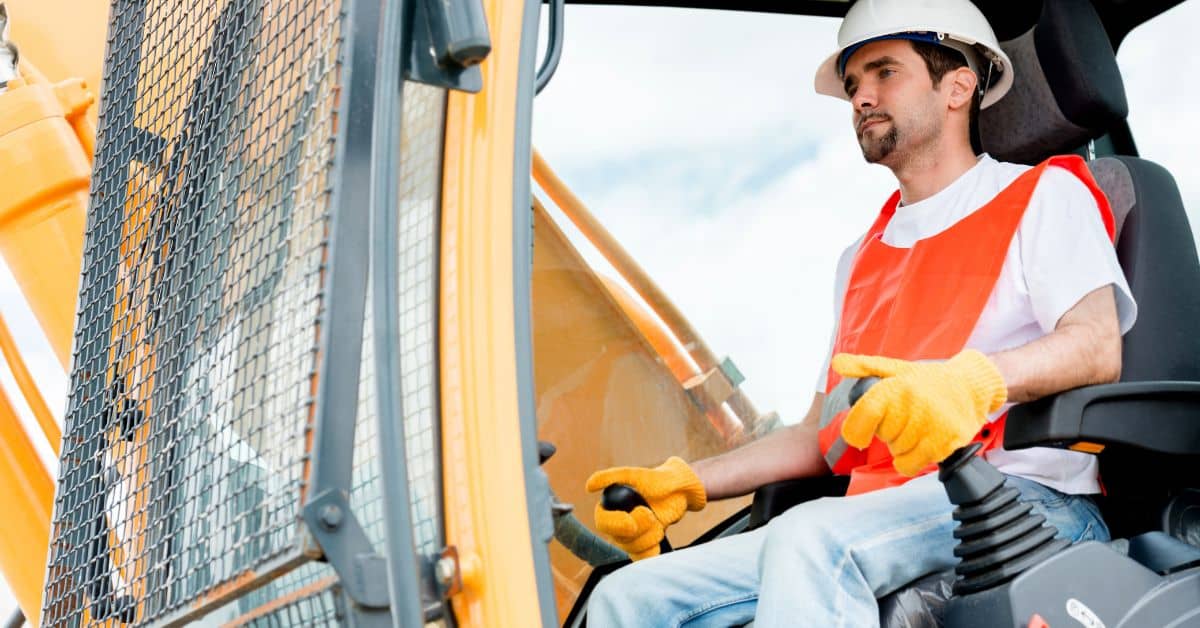
Operating a crane is one of the most technically demanding and safety-critical roles on any construction or industrial site. In Australia, becoming a certified crane operator isn’t just about learning how to manoeuvre heavy machinery, it’s about meeting strict legal requirements, demonstrating proven competence, and maintaining a strong commitment to workplace safety.
With Australia’s robust safety framework and nationally recognised training standards, certified crane operators play a vital role in construction, mining, infrastructure, and logistics projects nationwide.
Understanding Crane Operator Certification in Australia
In Australia, anyone operating a crane must hold a High-Risk Work Licence (HRWL) for the specific type of crane they operate. This licence is issued by the relevant state or territory workplace health and safety authority after the operator successfully completes accredited training and assessment.
The licensing system is nationally recognised, meaning a certified crane operator can work across Australia without needing to requalify in each state or territory. This consistency ensures that operators meet the same safety and competency standards regardless of where they work.
The Importance of the High-Risk Work Licence (HRWL)
The High-Risk Work Licence is the foundation of crane operator certification in Australia. Different licence classes apply depending on crane type and lifting capacity. For slewing mobile cranes, common licence classes include:
- C2 – Slewing mobile crane up to 20 tonnes
- C6 – Slewing mobile crane up to 60 tonnes
- C1 – Slewing mobile crane up to 100 tonnes
Each licence level reflects increasing responsibility and technical skill. Operators must progress through training and assessment to obtain higher-capacity licences. These licences are typically valid for five years and must be renewed to ensure ongoing competence.
Accredited Training and Assessment
A certified crane operator in Australia must complete nationally accredited training delivered by a Registered Training Organisation (RTO). Training combines classroom-based theory with extensive hands-on practical experience. Operators are trained in areas such as:
- Crane setup and shutdown procedures
- Load charts and safe working load calculations
- Ground stability and crane positioning
- Lift planning and risk assessment
- Communication with doggers and riggers
- Emergency procedures and hazard management
Assessment includes both written knowledge tests and practical evaluations. Candidates must demonstrate that they can operate the crane safely, accurately, and confidently under real-world conditions.
Legal Knowledge and Safety Compliance
A key characteristic of a certified crane operator is a thorough understanding of Australian workplace health and safety laws. Operators are trained to follow site-specific safety plans, conduct pre-operational inspections, and comply with legal obligations.
Certified operators know when conditions are unsafe and have the authority to stop work if a lift poses a risk. This ability to recognise hazards, such as high winds, unstable ground, overloaded lifts, or poor visibility, is critical in preventing serious incidents.
Professional Skill and Workplace Conduct
Certification is not just about operating equipment; it reflects a high level of professionalism. Certified crane operators are expected to:
- Communicate clearly with supervisors, doggers, and riggers
- Follow established lifting procedures
- Maintain focus during complex or critical lifts
- Respect job site rules and safety protocols
Employers rely on certified operators to act responsibly, remain calm under pressure, and make sound decisions that protect people, property, and equipment.
Ongoing Learning and Recertification
Crane operator certification in Australia is not a one-time achievement. To maintain a High-Risk Work Licence, operators must renew their credentials at the required interval, typically every five years. This process helps ensure operators remain current with evolving regulations, new crane technologies, and modern safety practices.
Many operators also pursue additional training or higher licence classes to expand their capabilities and career opportunities. Continuous improvement is a hallmark of a truly professional crane operator.
Why Certification Matters
Certification protects everyone on a work site. It reduces the likelihood of accidents, ensures compliance with Australian safety laws, and gives employers confidence that lifting operations are being carried out safely and efficiently. For operators, certification leads to better job prospects, higher earning potential, and long-term career stability.
In high-risk industries such as construction and mining, certified crane operators are essential to maintaining safe and productive workplaces.
Conclusion
What makes a certified crane operator in Australia is a combination of accredited training, proven competence, legal compliance, and a strong commitment to safety. Holding a High-Risk Work Licence demonstrates that an operator has met national standards and is capable of managing one of the most powerful pieces of equipment on any job site.
In an industry where mistakes can have serious consequences, certification ensures crane operators are prepared, professional, and trusted to perform their role safely and effectively.