
If you’ve never booked a Hiab before, one of the first questions you’ll probably ask is: how long does a typical Hiab job take? The short answer is that it depends on several factors. Hiab work can range from quick 30-minute lifts to complex operations lasting most of the day. Understanding what affects the timeframe can help you plan better, avoid delays, and get the most value from your hire.
What Is a Hiab Job?
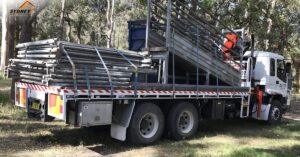
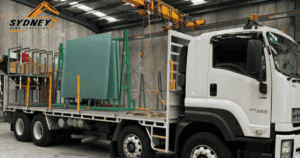
A Hiab is a lorry-mounted crane used to lift, load, unload, and position heavy or awkward items. Common Hiab jobs include delivering building materials, lifting containers, placing cabins, moving machinery, or positioning steelwork. Because each job is different, the time required can vary significantly.
Average Time for a Typical Hiab Job
For many straightforward jobs, a typical Hiab job takes between 1 and 3 hours on site. This usually includes setup, the lifting operation, and packing away. However, this is only a rough guide. Some jobs are completed in under an hour, while others may take half a day or more.
To understand why, it helps to look at the main factors that influence duration.
1. Type and Size of the Load
The weight, size, and shape of the load have a major impact on timing. Small, uniform loads such as palletised bricks or timber can be lifted quickly. Larger or awkward items, like site cabins, generators, or machinery, require more careful planning and slower movements.
Heavier loads may also need the Hiab to operate at a shorter radius, which can affect positioning and increase time on site.
2. Number of Lifts Required
A job involving a single lift, such as placing a container, will naturally be quicker than a job requiring multiple lifts. For example, unloading ten pallets of materials will take longer than unloading two, even if each individual lift is straightforward.
More lifts also mean more time spent repositioning the crane, attaching and detaching slings, and checking load stability.
3. Site Access and Conditions
Site access is one of the biggest variables in how long a Hiab job takes. Easy roadside access with plenty of space allows for fast setup and smooth operation. Tight sites, restricted access, uneven ground, or overhead obstacles such as power lines or trees can slow things down considerably.
Poor ground conditions may require extra precautions, such as spreader plates, to stabilise the vehicle, adding to setup time.
4. Distance and Reach Required
The further the crane has to reach, the more carefully the lift must be executed. Long-reach lifts are typically slower and may require adjustments to ensure safety and accuracy. If the load needs to be placed over a building, fence, or other obstruction, expect the job to take longer than a simple ground-level lift.
5. Preparation and Planning
Well-prepared sites lead to faster Hiab jobs. If the load is ready, slinging points are clear, and the landing area is prepared, the operator can work efficiently. On the other hand, if items are not ready to lift, or the destination area is blocked, delays are almost inevitable.
Good communication between the client and the Hiab operator before arrival can significantly reduce on-site time.
6. Experience of the Operator
An experienced Hiab operator can make a noticeable difference. Skilled operators work efficiently while maintaining high safety standards. They are better at anticipating issues, positioning the vehicle correctly the first time, and handling awkward loads smoothly.
While speed should never come at the expense of safety, experience often leads to quicker, more confident operations.
7. Health and Safety Requirements
Safety always comes first in Hiab operations. Risk assessments, method statements, and on-site safety checks all take time but they are essential. Jobs in busy areas or live construction sites may require banksmen, exclusion zones, or traffic management, which can extend the duration.
These steps are not delays; they are necessary measures to ensure everyone goes home safely.
Short Jobs vs. Full-Day Hires
Because Hiab job lengths vary, many companies offer both hourly rates and full-day hires. A short, simple job may only require a minimum hire period, while larger projects, such as moving multiple units or supporting ongoing site work, may justify a full-day booking.
If you’re unsure how long your job will take, it’s often better to slightly overestimate rather than rush the job.
How to Reduce the Time Your Hiab Job Takes
To keep your Hiab job as efficient as possible:
- Ensure clear access to the site
- Prepare loads and landing areas in advance
- Remove obstacles where possible
- Provide accurate information when booking
- Be available on site to answer questions
A little preparation can easily save an hour or more on the day.
Final Thoughts
So, how long does a typical Hiab job take? For most standard jobs, expect 1 to 3 hours, but remember that every job is unique. Load type, site conditions, access, and planning all play a role. By understanding these factors and preparing properly, you can help ensure your Hiab job runs smoothly, safely, and on time.
If you’re planning a Hiab lift and want an accurate estimate, the best approach is to discuss your specific requirements with your Hiab provider in advance.